


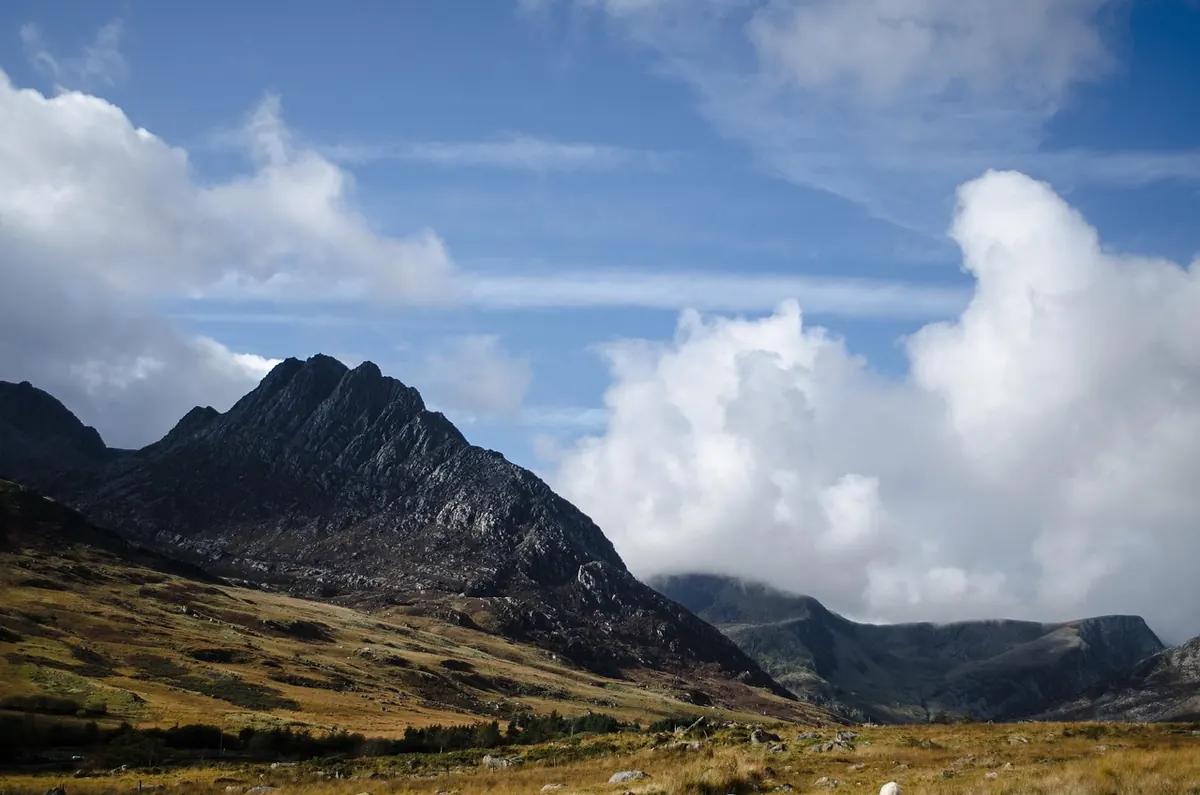
Snowdonia — Eryri, as you'll now see on maps and signs — wakes up slowly. In early April there can still be snow lying in the north-facing gullies of Yr Wyddfa while lambs are out in the fields below Llanberis. By June those same paths are dry, busy, and lit until nearly ten at night. The three months in between are the most rewarding window of the year for walkers, and easily the least predictable. Here's how to plan around that.
The Weather, Month by Month
The mountain forecast matters more in spring than at any other time of year. Atlantic fronts still roll through regularly in April, and the gap between a valley forecast and a summit forecast is often the gap between a T-shirt and full waterproofs. Check the Met Office mountain forecast and MWIS the night before, then again over breakfast. Conditions on the tops can turn within an hour.
April
Expect four seasons in a single walk. Cold starts, warm spells in sheltered cwms, a burst of hail on the ridge, and wind that turns a pleasant eight degrees into something that has you reaching for gloves. Snow usually lingers above roughly 700 to 800 metres through the first half of the month, mostly in shaded gullies and on north-facing slopes. Paths below the snowline are wet; paths above it can be icy before mid-morning.
May
This is the sweet spot. Longer dry spells become more likely, the ground starts to firm up, and there's enough daylight to attempt something substantial without rushing the descent. Snow patches still hang on in the higher gullies of Yr Wyddfa and the Glyderau into late May, so don't be surprised by a short crossing of old snow on a northern approach. Frost overnight in the valleys is still perfectly possible.
June
Long days — roughly quarter to five in the morning until quarter to ten at night around the solstice — warm rock, and crowds. Bracken is chest-high beside low-level paths by mid-month, ticks are active in the grass, and midges appear in still, wooded valleys in the evening. Start early, and not only for parking: the air is cooler, the rock is drier, and you'll have the summit to yourself for twenty minutes before the first train.
Path Conditions Underfoot
Spring paths are wet in a way that summer paths simply aren't. Below about 500 metres, expect standing water, deep peat and mud that sucks at your boots — the Rhyd Ddu path and the lower stretches of the Watkin Path are good examples. Higher up, winter's freeze-thaw has left loose grit and rock on slabby sections, and drainage channels cut by meltwater can be ankle-turning if you're moving fast.
Streams deserve a mention of their own. A crossing you'd step over in August can be a genuine decision in April after a night of rain. If the water is above your knees and moving fast, walk upstream and find somewhere else, or turn around. No summit is worth a soaking in cold water two hours from the road.
- Boots with real tread and ankle support beat trail shoes until at least mid-May.
- Gaiters look unfashionable and keep your socks dry. Take them.
- Trekking poles earn their weight on wet descents and river banks.
- If the snowline stops you and you're without an axe and the skills to use one, turn back. That's a decision, not a failure.
Parking and Getting There
This is where spring trips go wrong. The honeypot car parks were built for a quieter era and fill before nine on a decent weekend.
- Pen y Pass: small, high, and subject to pre-booking for much of the year. Check the Eryri National Park Authority website and book days ahead if you want the Pyg or Miners' Track.
- Llanberis: several options, most convenient for the Llanberis Path. Fills early at weekends.
- Ogwen and Idwal Cottage: roadside parking is limited and enforced in places along the A5. Have a fallback.
- Nant Gwynant and the Watkin Path: tiny lay-bys, very popular, easily full by 8am.
The quiet answer is the Snowdon Sherpa bus, which links Llanberis, Pen y Pass, Betws-y-Coed and the Ogwen valley on a seasonal timetable. Park once in a village, ride to the trailhead, and walk back down to a cup of tea instead of a parking ticket.
Wild Camping and Overnight Rules
This is the part people get wrong. Unlike Scotland, there is no general right to wild camp in Wales. Camping on land without the landowner's permission is a trespass, and Eryri has no designated wild-camping zones. Tents you've seen in a photograph are not evidence of permission, and enforcement in the busiest spots has become noticeably more visible in recent seasons.
If you want a night under canvas, the reliable routes are these:
- Camp legally on a proper site — there are good ones around Llanberis, Nant Gwynant, Beddgelert, Capel Curig and Betws-y-Coed — and walk in from there.
- Ask the landowner directly, particularly for farmland and low-level fields. The answer is sometimes yes.
- Use a mountain bothy. A handful of Mountain Bothies Association properties exist in Wales; check their listings for what's open and what's expected of you.
Wherever you sleep, leave nothing behind but flattened grass, cook on a stove rather than an open fire, and bury or carry out everything else. Access and camping rules in Wales are under review and do change, so check current national park guidance before you travel, and take proper advice if a decision depends on the legal position.
Spring Routes Worth the Effort
- Aber Falls (Rhaeadr Fawr): at its most powerful in April, and a short, low-level outing that works in mediocre weather.
- Cwm Idwal: dramatic in any conditions. Carry on to the Devil's Kitchen if the rock is dry and you're comfortable on steep ground.
- Yr Wyddfa via the Llanberis Path: the easiest line underfoot and usually the first to clear. Tame, but it gets you to the top.
- Moel Siabod via Daear Ddu: a gentle scramble with a proper mountain feel, and it dries more quickly than the western ranges.
- Cnicht and the Moelwynion: quieter, often drier, and a good choice when the forecast looks showery.
Save the big Glyderau ridge days and anything involving Crib Goch for settled May and June forecasts with light winds. Wet rock and lingering snow on exposed ground are not the place to find out how good your balance is.
Kit for a Shoulder-Season Hill Day
- Waterproof jacket and trousers, not just a shell.
- Spare warm layer, hat and gloves, whatever the valley temperature says.
- Paper map and compass — OS Explorer OL17 covers Yr Wyddfa and the Glyderau; check the sheet for your area — plus an offline phone map and a power bank.
- Head torch, even in June, in case the day runs long.
- Food and water for the whole day. Nothing is open on the hill.
- Blister plasters, sunscreen, and midge repellent by June.
Before You Set Off
Tell someone your route and your expected return time, and stick to it. Check the forecast in the morning, not just the night before. Set off early — it buys you parking, cooler air, and a margin for the unexpected. If you need help, call 999 and ask for mountain rescue; the teams are volunteers and the faster they know where you are, the better. And take your litter home, including the orange peel you were told was biodegradable.
Photo: Whitechappel79 / Pixabay
Related posts
More stories you’ll love reading